
As the release of The Color of Time approaches, I thought it could be useful to share with you a bit more about the original tale behind this retelling. Unlike popular tales, Charles Perrault’s “Donkeyskin” (“Peau d’Âne” in French) isn’t well known.
So far, the only people I’ve met who know this tale are either French or fairytale nerds. The average non-French person has, usually, never heard of it (and I suspect many young French people don’t know it either). French people of my parents’ generation know it because they’ve seen the 1970 cult movie adaptation by Jacques Demy, and in my case, I studied the tale in high school.
If you wonder why, the answer is fairly simple: incest isn’t Disney-friendly.
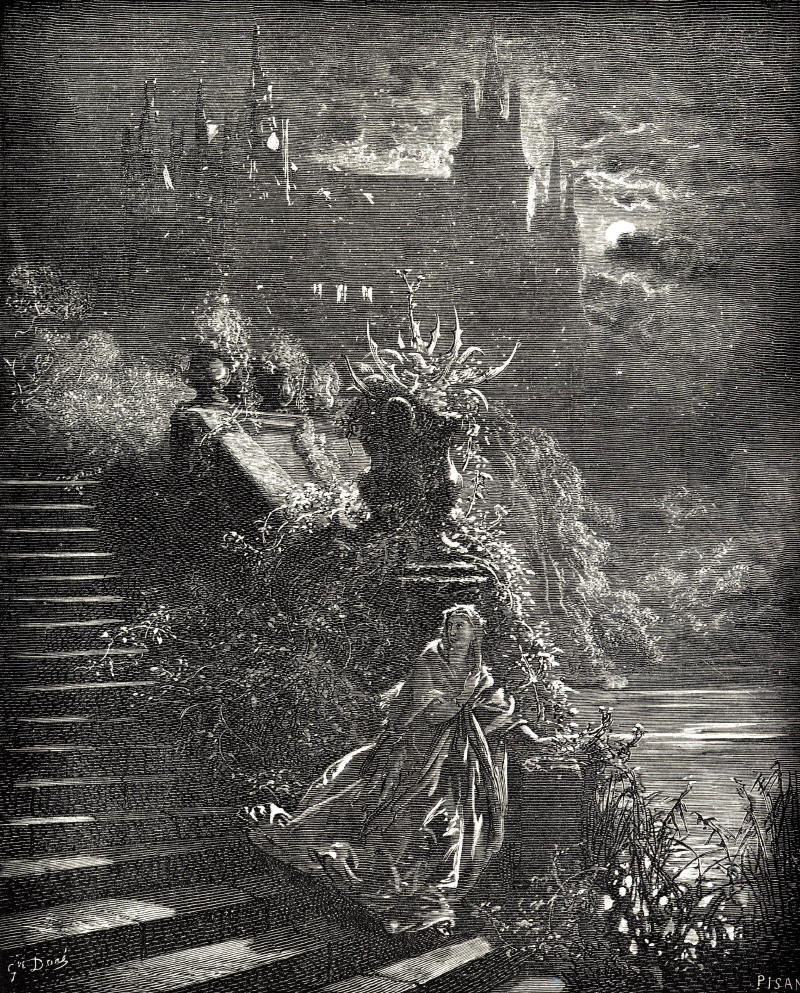
“Donkeyskin” is a story about the happiest of kings: he has a wonderful wife, a wonderful daughter, and a magical donkey that poops gold, ensuring his kingdom’s wealth. But when his wife dies of an illness, she makes him swear never to marry again, unless he finds a woman as good as her. The king agrees, and after his wife’s passing, realizes only one woman is as beautiful and virtuous as the late queen: his daughter, the princess.
To dodge the incestuous union without disobeying the king, our protagonist, with her fairy godmother’s help, asks for seemingly impossible nuptial gifts: dresses of the color of the sky, of the sun, and of the moon. When the king delivers them all thanks to his wealth, she asks for the skin of his magical donkey. To her surprise, the king obliges and slaughters the animal. Our protagonist has no other choice but to flee, hidden under the ugly donkey’s skin. She becomes a scullery maid in a foreign kingdom, mocked by all for her dirty looks under her weird attire.
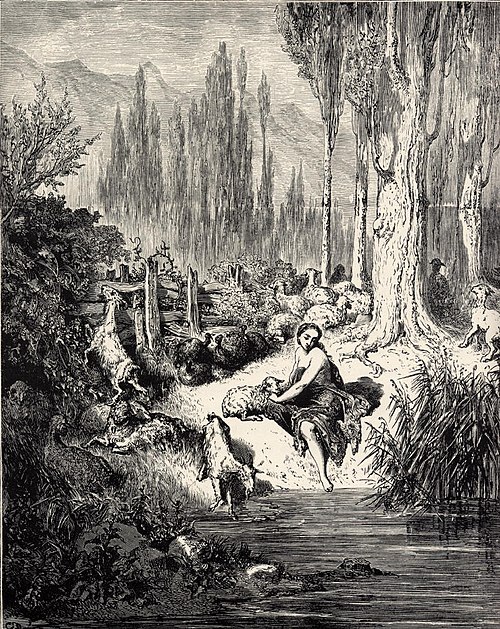
Then the story takes a “Cinderella” turn. Every Sunday, Donkeyskin spends the day in her room wearing her dresses and making herself beautiful to remember her true self. The prince of the kingdom where she lives in hiding sees her beauty by happenstance, falls in love with her, and asks for a cake made by the scullery maid, ignoring everything about her real identity. Donkeyskin makes the cake and puts her ring in it. The prince finds the ring and decrees that he will marry the woman who can wear this ring.
As with Cinderella, Donkeyskin is the last woman to try on the ring, and of course it fits her, and only her. She reveals her true identity, everybody is awed by her beauty and her story, the prince marries her, and they live happily ever after.
This is a story about doing the right thing, no matter how many hardships you encounter, by holding onto the belief that virtue will always be rewarded in the end. Donkeyskin gives up her privileged life to avoid an incestuous union and is rewarded by catching the eye of a handsome prince who lifts her from poverty.
It is a very classic fairytale with a non-controversial moral. What’s a lot more controversial is the premise of a father wanting to marry his daughter, and the rest of the kingdom going along with it.
Many authors wrote their own version of the story after Perrault, and oftentimes they changed this part. Now we have a king who wants to marry a poor peasant girl against her will, or the incest is explained by the king being unwell and believing his daughter is actually his dead wife, when she was still young; anything to avoid having a king who knowingly wants to marry his daughter.
My retelling follows the original story by Perrault and its incestuous premise. I changed the king to be the brother of my protagonist instead of her father. Some people may think I made it “less bad” but trust me, I didn’t. No matter how many times you watched Games of Throne, incest between siblings isn’t more “okay” than between a parent and a child. Sure, the father/daughter dynamic adds authority and an age gap that doesn’t necessarily exist between siblings, but there are enough real-life horror stories of boys and girls being the victims of incest perpetrated by an older sibling to make it awful enough in its own right. I didn’t “sanitize” the original tale. The only reason I changed from father to brother was that I wanted my protagonist to have her mother help her instead of a fairy godmother. Thus, the mother needed to be alive, and the dead queen had to be another woman.
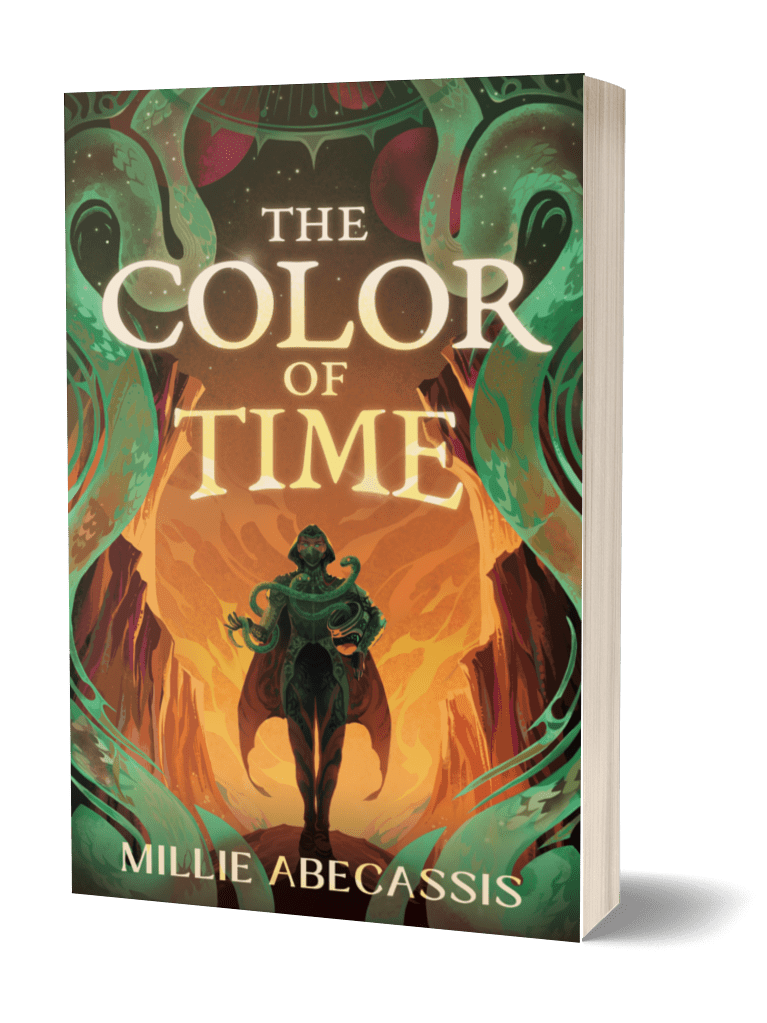
I won’t speak more of the reasons why I decided to write this retelling. I have a three-page author’s note at the end of the book, should you be curious about it, and I recommend to read it after you’re done with The Color of Time (because spoilers). What you can read before The Color of Time, if you haven’t done so, is the original tale by Perrault. While it is not required to understand the story, events happening in my novel will make a lot more sense if you are familiar with Perrault’s story.
It is, after all, a retelling.
Post Scriptum: while both “Donkeyskin” and The Color of Time feature an incestuous premise about a man wanting to marry a close family member against her will, no incest happens on page or off page EVER. Both Donkeyskin and Cyrelle (my protagonist) avoid it by fleeing and at no point does anything happen between the king and the protagonist.

Leave a comment